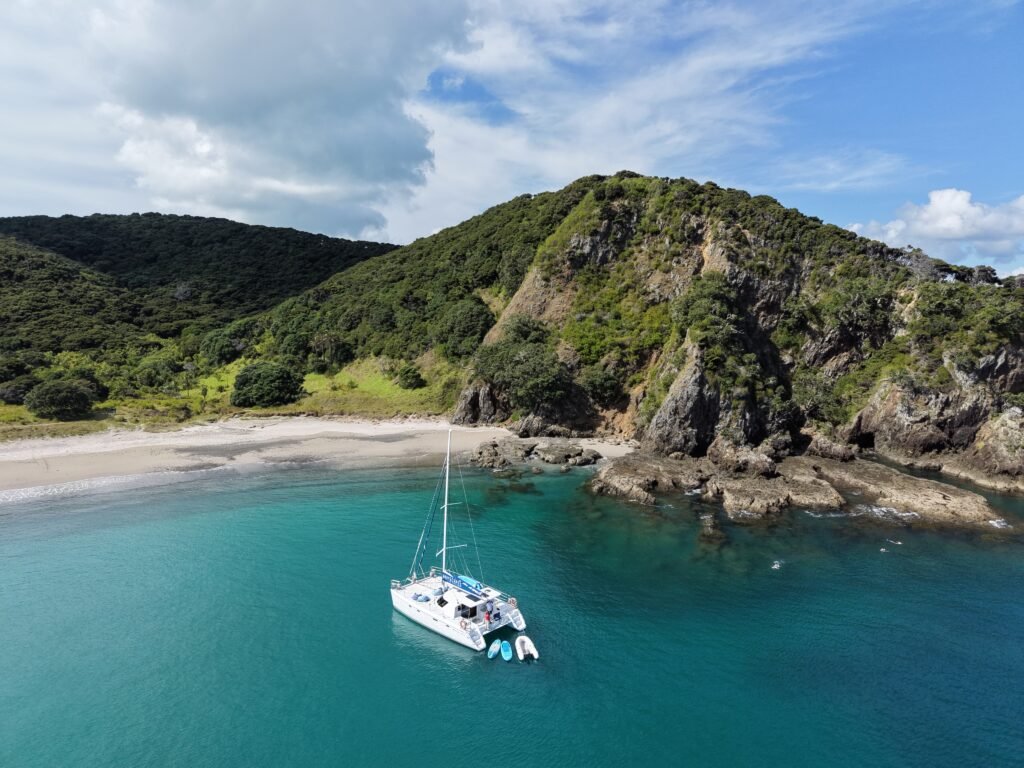
Bay of Islands Conservation: Protecting Wildlife and Restoring Island Ecosystems
The Bay of Islands is not only one of New Zealand’s most beautiful coastal regions — it is also one of the country’s most important conservation areas.
Across the Ipipiri islands, extensive restoration work has transformed once-threatened environments into thriving wildlife sanctuaries. Today, visitors can experience flourishing native bush, rare birdlife, and protected marine habitats thanks to ongoing conservation efforts.
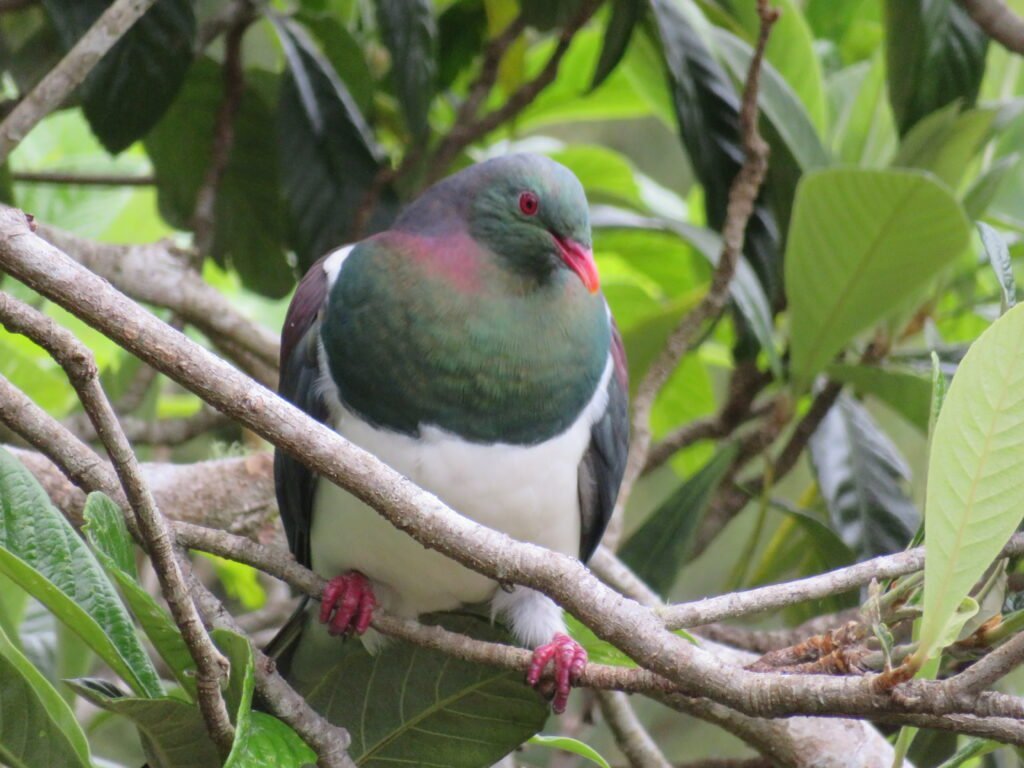
Island Wildlife Sanctuary in the Bay of Islands
Six key islands in the Bay of Islands form a vital wildlife sanctuary:
- Motuarohia (Roberton) Island
- Moturua Island
- Motukiekie Island
- Urupukapuka Island
- Waewaetorea Island
- Okahu Island
These islands are managed through a partnership between Project Island Song and the Department of Conservation (DOC). Since 2009, conservation teams have worked to remove introduced predators such as rats and stoats. As a result, these islands are now pest-free, creating safe environments for native wildlife to recover.
Restoring Native Wildlife and Habitats
The success of pest removal programs has made it possible to reintroduce native wildlife species that once disappeared from the region. Between 2012 and 2022, eight native species were successfully reintroduced to the Ipipiri islands.
Today, visitors may encounter rare native birds including:
- tīeke (saddleback)
- kākāriki (red-crowned parakeet)
- toutouwai (North Island robin)
- pōpokotea (whitehead)
- pāteke (brown teal)
Large-scale habitat restoration has also been essential to this recovery. More than 40,000 native trees have been planted to rebuild natural ecosystems and improve biodiversity across the islands. These restored forests provide shelter, nesting sites, and food sources for native wildlife.
Project Island Song: A Community-Led Conservation Success
Project Island Song is a community-driven initiative focused on restoring the natural ecosystems of the Ipipiri islands. The project began in 2003, led by passionate local residents determined to protect the region’s natural heritage.
Key achievements include:
✔ Removing invasive predators
✔ Replanting native forests
✔ Reintroducing native bird species
✔ Supporting long-term ecological recovery
✔ Providing conservation education
The project’s mission is simple: restore the islands to thriving ecosystems filled with native plants and wildlife.
The Meaning of Ipipiri and Its Cultural Importance
The name Ipipiri comes from the Māori language and means “many places.” Historically, these islands were rich in natural resources and supported communities that relied on fishing, gathering food, and living alongside nature. In the past, the islands were home to species such as:
- tīeke (saddleback)
- hihi (stitchbird)
- pāteke (brown teal)
- ōi (grey-faced petrel)
Today, thanks to conservation work, birdsong once again fills the forests across the Bay of Islands.
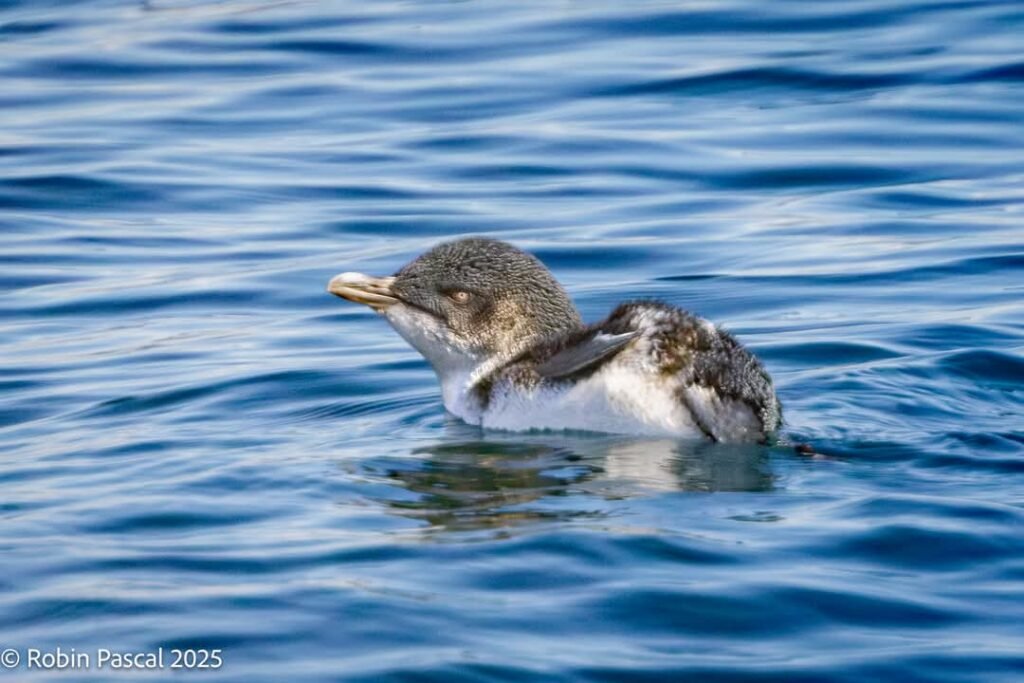
A Protected Marine Mammal Sanctuary
The Bay of Islands is also designated as a Marine Mammal Sanctuary, making it an important marine conservation zone in New Zealand. Strict regulations help protect marine wildlife by controlling how vessels interact with animals.
These rules include:
✔ Speed restrictions in key areas
✔ Minimum approach distances
✔ Guidelines for dolphin encounters
✔ Responsible boating practices
These measures help reduce stress on wildlife and allow animals to feed, rest, and care for their young without disruption.
Bottlenose Dolphin Conservation Challenges
Despite Bay of Islands conservation efforts, research shows that bottlenose dolphins in the Bay of Islands face ongoing challenges.
Scientists have observed:
- Declining dolphin population numbers
- Changes in natural behaviour
- Increased environmental pressure
These findings highlight the importance of responsible tourism and conservation awareness across the region. Protecting marine mammals is essential to maintaining the health of the wider ecosystem.
Sustainable Tourism in the Bay of Islands
Responsible tourism plays a vital role in conservation success. At Bayscapes Charters, sustainable practices are part of everyday operations. Responsible boating behaviour helps protect marine life and supports long-term conservation goals.
Sustainable tourism includes:
✔ Respecting wildlife approach distances
✔ Reducing environmental impact
✔ Supporting conservation initiatives
✔ Educating visitors about local ecosystems
By choosing eco-conscious experiences, visitors help protect the natural beauty of the Bay of Islands.
Why Conservation Matters for Visitors
Bay of Islands conservation work has transformed the iIslands into one of New Zealand’s most rewarding wildlife destinations.
Visitors today can enjoy:
- Thriving native bush
- Protected island ecosystems
- Rare bird sightings
- Marine wildlife encounters
- Beautiful natural landscapes
These experiences are possible because of decades of conservation effort and community involvement.
Supporting Conservation Efforts
Visitors who wish to support ongoing restoration work can learn more about Project Island Song and contribute to maintaining pest-free island habitats. Supporting Bay of Islands conservation helps ensure that the islands remains a thriving wildlife sanctuary for future generations.
FAQs About Bay of Islands Conservation
Why is the Bay of Islands so important to protect?
The Bay of Islands is home to unique marine life, native bird species, and fragile coastal ecosystems. Protecting these environments helps preserve the natural beauty and wildlife that make this area so special.
What are wildlife sanctuary islands?
Some islands in the Bay of Islands are protected sanctuaries where pests have been removed. This allows native birds, plants, and ecosystems to recover and thrive in a safe environment.
Why do I need to check my shoes before visiting an island?
Seeds and pests can easily be carried on footwear. Checking and cleaning your shoes helps protect these fragile island ecosystems from unwanted contamination.
What wildlife might I see in the Bay of Islands?
You may spot dolphins, seabirds, and native birdlife on the islands, along with a variety of marine life throughout the bay.
Can you visit conservation islands?
Yes, some islands can be visited as part of guided experiences. Visitors are asked to respect the environment by following simple guidelines while exploring.
How can visitors help protect the environment?
Simple actions make a big difference—clean your shoes, take all rubbish with you, avoid disturbing wildlife, and stay on marked tracks when ashore.
What is responsible wildlife viewing?
Wildlife should always be observed from a respectful distance. This helps ensure animals are not disturbed and can behave naturally in their environment.
How do small group tours help conservation?
Small group experiences reduce environmental impact, avoid overcrowding, and allow for a more respectful and low-impact way to explore the Bay.
Why does conservation matter for visitors?
Looking after the Bay of Islands ensures it stays just as beautiful for future visitors, while protecting the wildlife and natural environment that make it unique.
Discover a wildlife Cruise in the bay of islands
At Bayscapes Charters, we support sustainable tourism and Bay of Islands conservation. We are committed to protecting marine life and preserving this unique environment. By promoting eco-friendly practices and raising awareness, we aim to help protect theBay of Islands for future generations.
Private – Sail and Hike
Looking for more adventure? Explore a wildlife sanctuary island with a 2 hour loop walk to fully get in touch with nature.
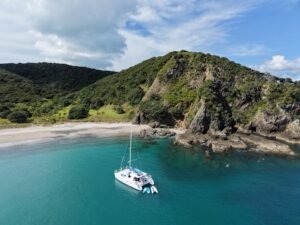
Private – Sail and Stop
A Sail and Stop allows time for island exploration as well as water activities like swimming, snorkelling and paddle boarding.
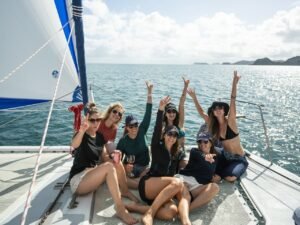
Shared Charters
Our shared day charter is a fun and social way to explore the Bay of Islands. Sail between islands, swim in sheltered bays, and enjoy a guided island walk