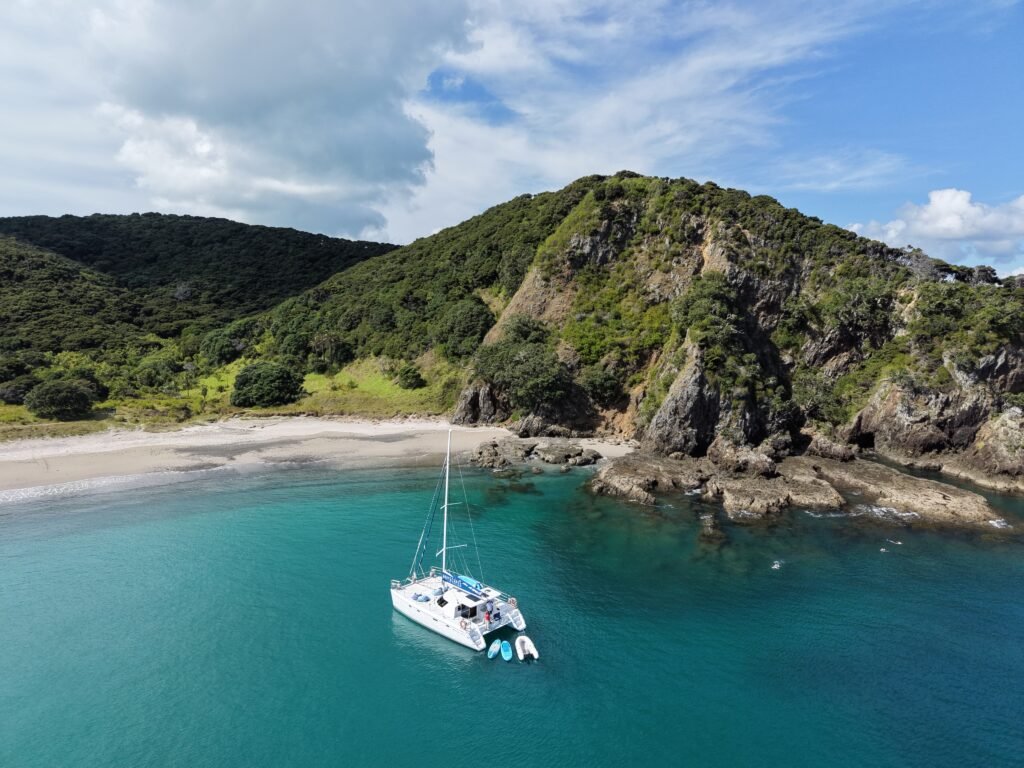
Island Wildlife Sanctuary
The six main islands of the Bay of Islands—Motuarohia (Roberton) Island, Moturua Island, Motukiekie Island, Urupukapuka Island, Waewaetorea Island, and Okahu Island—form an important wildlife sanctuary in New Zealand.
These islands are managed by Project Island Song and the Department of Conservation (DOC). Since 2009, they have worked together to remove pests and protect native wildlife. As a result, the islands are now pest-free.
This success has allowed the reintroduction of eight native species between 2012 and 2022. Today, the islands provide a safe home for many endangered birds and animals. Large-scale planting has also helped restore the environment. More than 40,000 native trees have been planted to rebuild natural habitats and support biodiversity.
Visitors to the Bay of Islands can now enjoy thriving native bush, stunning coastal views, and rich birdlife. You may spot rare species such as tīeke (saddleback), kākāriki (red-crowned parakeet), toutouwai (North Island robin), pōpokotea (whitehead), and pāteke (brown teal).
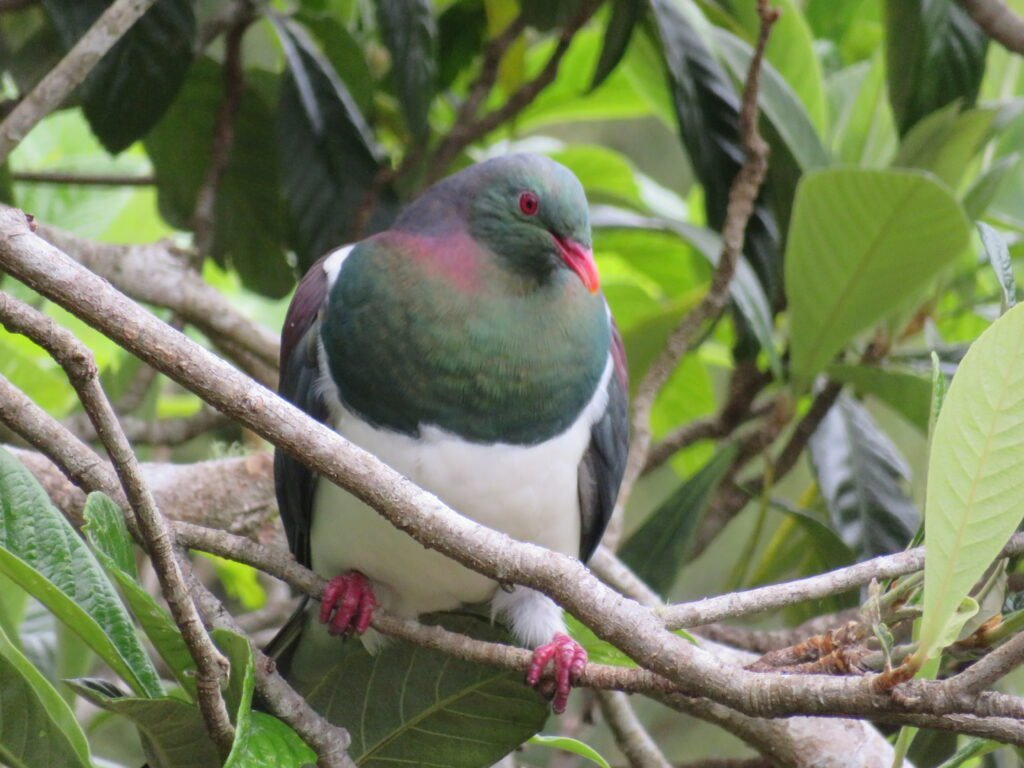
Project Island Song
Project Island Song is a community-led conservation project in the Bay of Islands. Its mission is to restore the natural ecosystems of the Ipipiri islands and protect native wildlife.
The project began in 2003, led by passionate local residents. Since then, it has removed invasive predators, replanted native forests, and reintroduced native bird species. The goal is simple: bring the islands back to life as thriving ecosystems filled with native plants and animals. Project Island Song also focuses on education, pest control, and long-term protection. These efforts help ensure the Bay of Islands remains healthy and accessible for future generations.
The name Ipipiri comes from the Māori language and means “many places.” It reflects the area’s rich natural resources and history as a place for fishing, swimming, and living. In the past, these islands supported many native species, including tīeke (saddleback), hihi (stitchbird), pāteke (brown teal), and ōi (grey-faced petrel). Today, thanks to conservation work, the islands are once again full of birdsong.
To find out more about project island song or donate to keep our islands pest free here; http://www.projectislandsong.co.nz
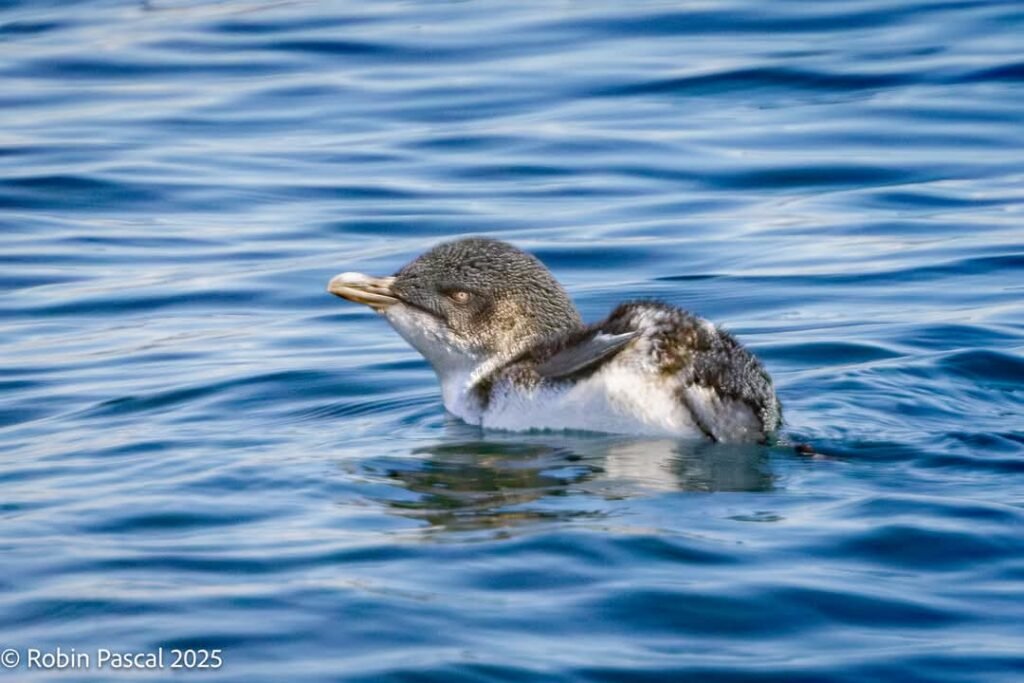
Marine Mammal Sanctuary
The Bay of Islands is also a protected Marine Mammal Sanctuary. This area plays a key role in marine conservation in New Zealand. Strict rules control how boats interact with marine mammals. These include speed limits and minimum approach distances. These rules help reduce stress and prevent harm to wildlife. They also allow animals like dolphins to feed, rest, and care for their young without disturbance.
However, research shows that bottlenose dolphins in the Bay of Islands are facing challenges. Their population is declining, and some natural behaviours are changing. This is a concern for the health of the marine ecosystem. These findings highlight the need for ongoing conservation and responsible tourism.
At Bayscapes Charters, we support sustainable tourism in the Bay of Islands. We are committed to protecting marine life and preserving this unique environment. By promoting eco-friendly practices and raising awareness, we aim to help protect the Bay of Islands for future generations.