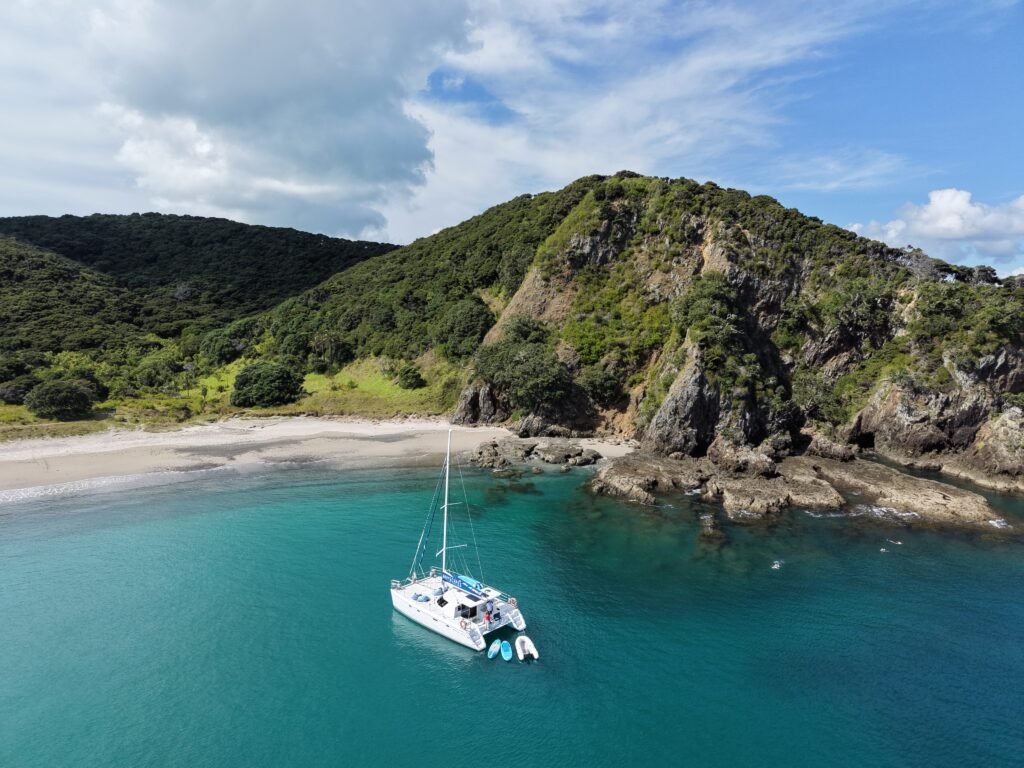
When people think of the Bay of Islands, they often picture turquoise waters, secluded coves, and playful dolphins. But above the tide line and in the canopy of our 144 islands lies another world: a flourishing haven for some of New Zealand’s rarest native birds.
Thanks to ongoing conservation efforts like Project Island Song, seven main islands in the eastern Bay of Islands are pest-free sanctuaries where Bay of Islands native birds are thriving once again.
Whether you’re an avid bird watcher or simply love nature, cruising and island-hopping by sailboat offers a front-row seat to coastal and forest birdlife. Here is your local guide to the birds you can spot in the Bay of Islands and where to find them.
3. Protecting Our Island Sanctuaries
4. How to Experience Bay of Islands Birdlife with Bayscapes
Coastal & Seabirds: What to Look For On the Water
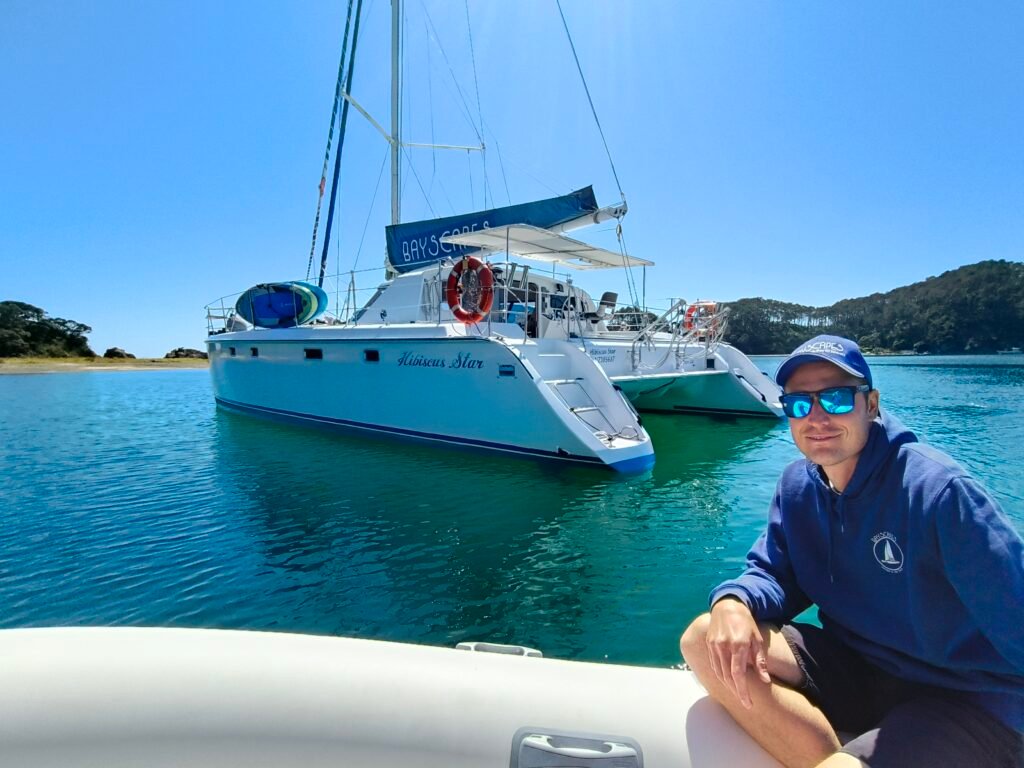
As we set sail aboard Hibiscus Star from Paihia or Russell, the water itself is alive with marine birdlife:
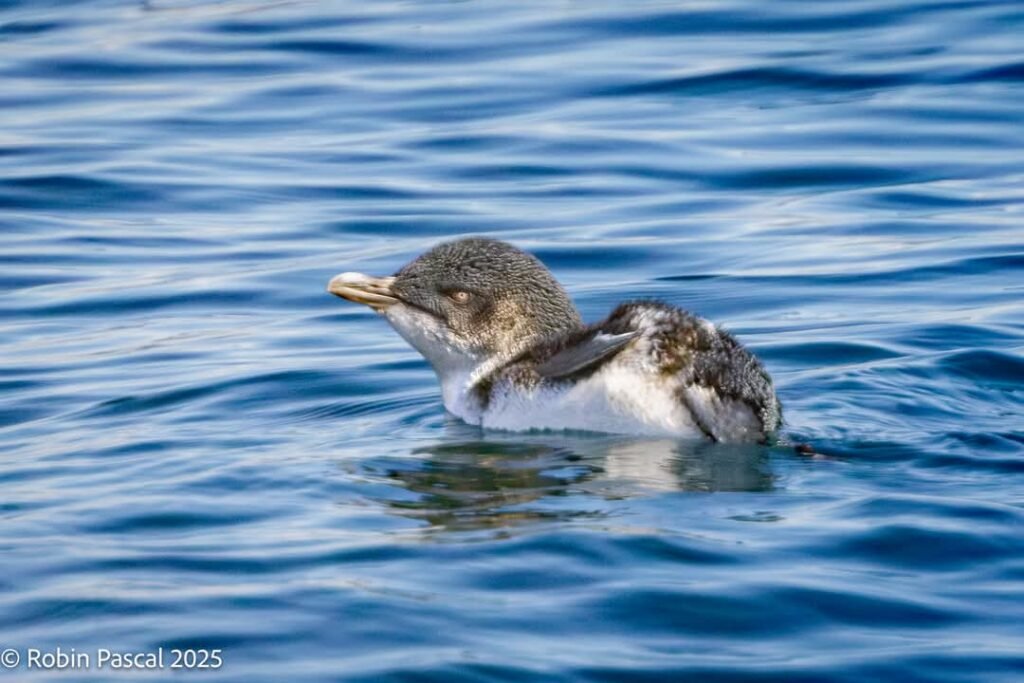
- Kororā (Little Blue Penguin)
- Status: Native
- New Zealand’s little blue penguin is the world’s smallest penguin. These tiny seabirds spend much of their lives at sea, coming ashore to rest, breed and shelter. You may spot one bobbing on the surface or disappearing beneath the water as it searches for fish.
- Tākapu (Australasian Gannet)
- Status: Native
- Watch the sky for gannets soaring above the water before folding their wings and diving spectacularly into the sea to catch fish. Their distinctive white bodies, black wingtips and impressive dives make them a memorable sight.
- Tōrea (Variable Oystercatcher)
- Status: Endemic
- These striking shorebirds are often seen along rocky coastlines and sandy beaches. Look for their dark plumage, long red-orange bills and bright pinkish legs as they search for shellfish and other food along the shoreline.
- Shags / Cormorants (Pied, Black & Little Shags)
- Status: Native
- Keep an eye out for shags perched on exposed rocks or branches around sheltered bays. You might see them spreading their wings to dry after diving for fish.
Island Birds: What to Listen & Look For Ashore
Stepping ashore on islands such as Moturua gives you a chance to experience a different side of the Bay of Islands. Leave the beach behind and follow the walking tracks through native bush, where bird calls often reveal more than your eyes do.
• Tūī
You may hear these birds before you see them. Tūī are known for their complex, sometimes cheeky-sounding songs, while bellbirds produce clear, bell-like notes that carry through the forest.
Listen carefully as you walk, particularly around flowering trees and shrubs.
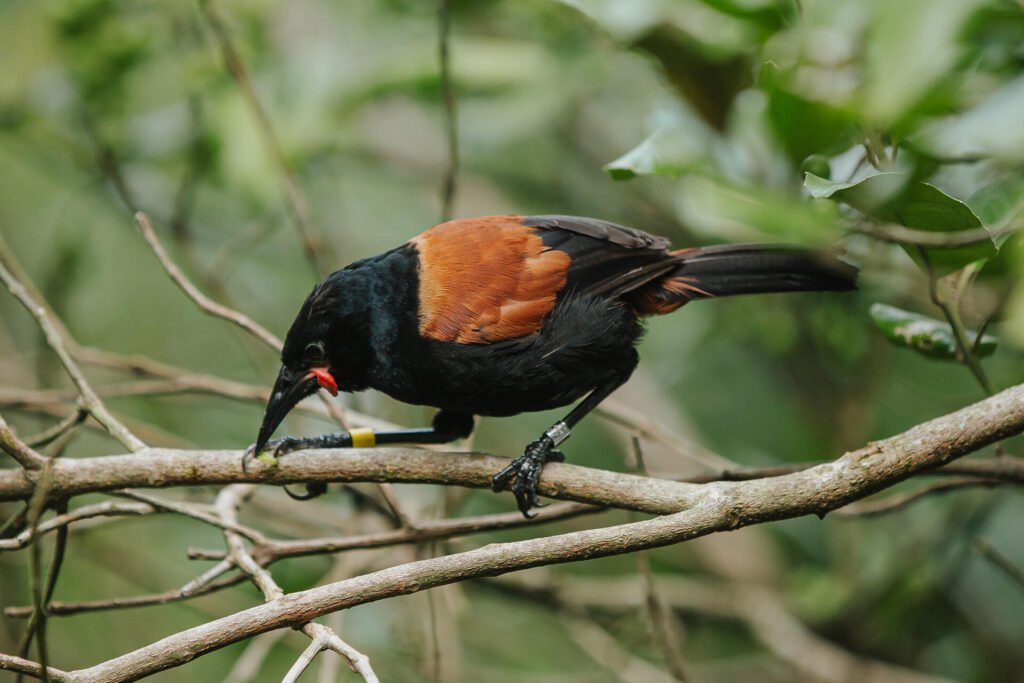
• Tīeke (North Island Saddleback)
With glossy black feathers and a distinctive chestnut-coloured saddle across its back, the tīeke is one of New Zealand’s most recognisable native birds. Conservation programmes have helped establish populations on predator-free islands, giving visitors an opportunity to encounter this remarkable species in its natural habitat.
• Kākāriki (Red-Crowned Parakeet)
These bright green parakeets can be surprisingly difficult to spot among the foliage. Listen for their lively chattering calls and watch for flashes of green and red as they move between trees.
• Toutouwai (North Island Robin)
Keep your eyes on the forest floor for the curious North Island robin. These small, grey birds sometimes approach people on walking tracks, particularly when footsteps disturb the ground and uncover insects.
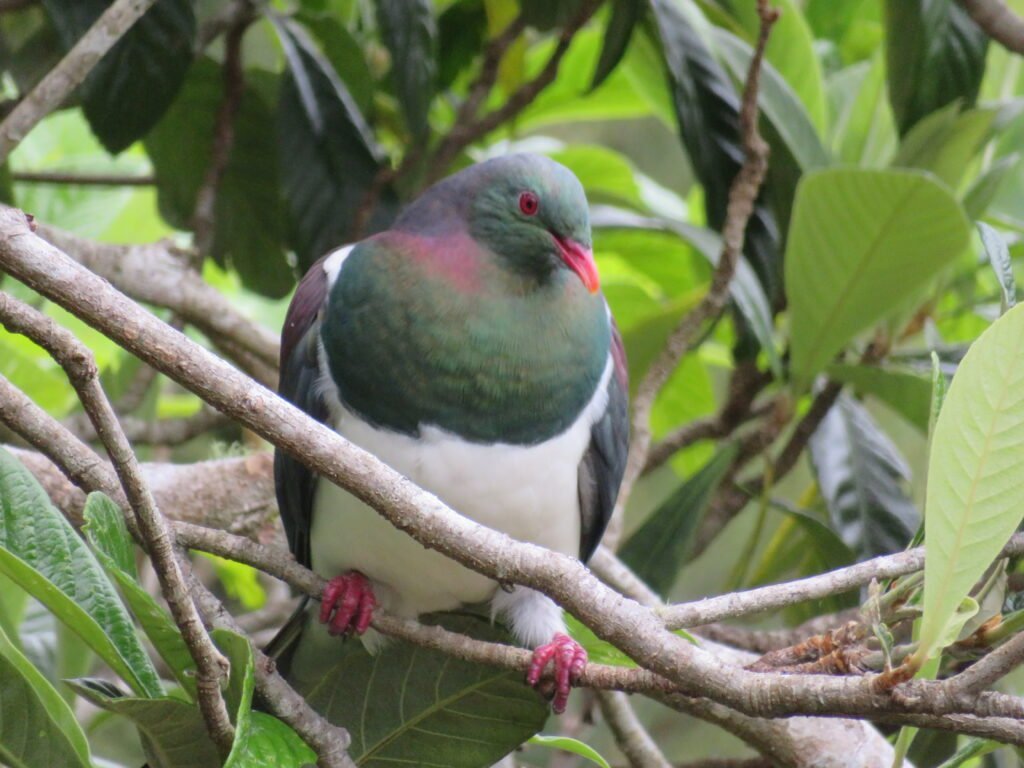
• Kererū (New Zealand Wood Pigeon)
The kererū is one of New Zealand’s most impressive forest birds. Its large body, iridescent green and purple feathers and distinctive white breast make it easy to recognise when perched in a tree. Listen for the heavy flapping of its wings as it moves through the canopy.
Seeing these birds is never guaranteed, but slowing down, listening carefully and taking your time on the track can make an island walk especially rewarding.
Protecting Our Island Sanctuaries
The islands of Ipipiri are valuable habitats for native wildlife. Predator control, restoration work and responsible visitor behaviour all help protect these special places.
If you’re visiting an island, there are a few simple things you can do to help.
- Check your footwear: Brush off soil, seeds and plant material before going ashore.
- Check your bags: Make sure daypacks and other gear are free of insects and unwanted plant material.
- Keep food and rubbish secure: Take all rubbish back to the boat and never leave food scraps behind.
- Respect wildlife: Observe birds from a distance and avoid disturbing nesting sites or feeding wildlife.
- Stay on marked tracks: Follow the signs and avoid entering restricted or sensitive areas.
Small actions make a difference when protecting these fragile environments for future generations.
Help Protect the Bay of Islands’ Native Birdlife
The beautiful birdlife and regenerating native bush of Ipipiri are the result of years of dedicated conservation work. Project Island Song works to protect and restore the seven pest-free islands in the eastern Bay of Islands, helping native wildlife thrive for future generations.
If you’ve enjoyed learning about the birds of the Bay of Islands, you can help support this important work by making a donation.
Donate to Project Island Song and help protect the unique wildlife and natural heritage of our region.
How to Experience Bay of Islands Birdlife with Bayscapes
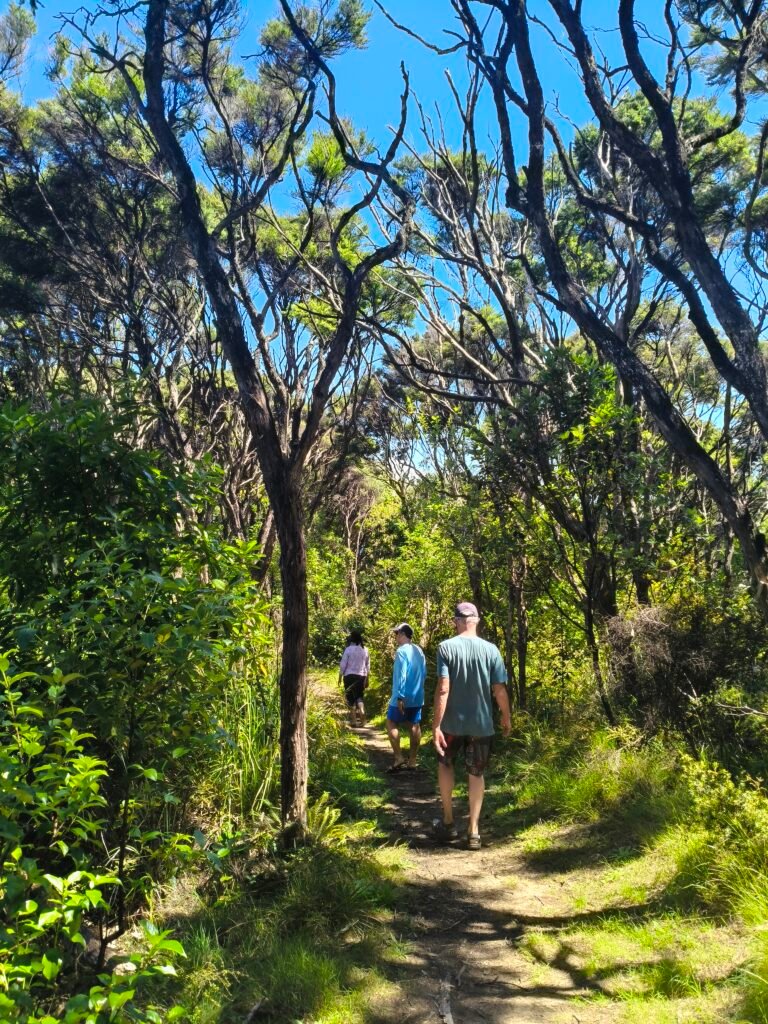
One of the best ways to experience the Bay of Islands is to combine time on the water with an opportunity to explore an island on foot.
Aboard Hibiscus Star, our spacious sailing catamaran, you can enjoy the scenery as we sail between the islands, keeping watch for seabirds and other marine wildlife along the way.
Our shared day sailing cruise includes an island stop, giving you time to explore native bush, listen for bird calls and enjoy the peaceful surroundings.
For a more personalised experience, our private charters can offer greater flexibility around your group’s interests, including sailing, swimming and island walks.
We love sharing this part of Northland with our guests. Whether you’re an enthusiastic birdwatcher or simply enjoy being outdoors, there’s something special about discovering the Bay of Islands from the water and experiencing its islands at a relaxed pace.
Ready to explore the Bay of Islands?
Discover our Bay of Islands Sailing Charters and experience the coastline, islands and wildlife aboard Hibiscus Star.
Frequently Asked Questions
What native birds can you see in the Bay of Islands?
Birds you may encounter include tūī, kererū, variable oystercatchers, gannets, shags and little blue penguins. Some island sanctuaries also support threatened native species such as the North Island saddleback.
Where can you see native birds in the Bay of Islands?
You can look for seabirds along the coast and between islands, while walking tracks through native bush offer opportunities to hear and spot forest birds. Moturua Island is one option for visitors wanting to combine a sailing trip with an island walk.
Is Moturua Island good for birdwatching?
Moturua offers native bush, coastal scenery and walking tracks where visitors can listen for birds and look for wildlife. Sightings depend on the season, conditions and the birds’ activity.
Can I explore an island on a Bayscapes sailing cruise?
Yes. Our shared day sailing cruise includes an island stop, with time to enjoy activities such as walking, swimming, snorkelling or paddleboarding, depending on conditions and your interests.
What should I bring for an island walk?
Comfortable walking shoes, sunscreen, a sunhat, water and a light jacket are useful. Bring a camera or binoculars if you’d like a closer look at birdlife, and remember to check your footwear and bags before going ashore.
Do I need to be an experienced birdwatcher?
Not at all. Simply taking the time to listen to bird calls and look carefully among the trees can make an island walk enjoyable. You don’t need specialist equipment or previous experience to appreciate the wildlife.
Where do Bayscapes Charters depart from?
Our shared sailing charters depart from Paihia Wharf in the Bay of Islands, Northland. We recommend checking your booking confirmation for your departure time and arriving early enough to board without rushing.